
Getting started in Denmark 🇩🇰
Moving to a new country can be an exciting adventure, but it can also feel overwhelming at times. At iPaper, we’re here to make your transition to life in Denmark as smooth as possible. This guide covers the essentials—like getting your Danish CPR number, finding a place to live, and setting up a bank account—so you can settle in quickly.
The guide is crowdsourced and regularly updated by iPaper’s amazing community of international employees, sharing their own tips and experiences.
A great starting point is Work in Denmark, which has tons of helpful info to get you going.
If you have any updates, suggestions, or insights to help improve the guide, please feel free to reach out to Kirsten at kt@ipaper.io. We’d love to hear from you and keep the guide as relevant and useful as possible!
Your first steps to settle in
A quick checklist of the 5 must-dos when you first arrive in Denmark
1. Register and get the paperwork sorted
Danish Entry and Residence Rules: Once you have a job in Denmark, you start planning your move. In this process, it is important to learn the Danish entry and residence rules as well as necessary registrations before and after arrival. The rules vary according to your nationality. You can read more here.
2. Find a place to live
Housing Information: This Life in Denmark link has all the housing basics you’ll need.
Popular Rental Website: You can browse listings on BoligPortal, though some features require a subscription.
Ask Around: Your colleagues are always happy to share tips or advice on where to find good housing.
3. Learn the Danish work culture
To get off to a good start with your working life in Denmark, it is a good idea to get to know the Danish labor market, including formalities, working conditions, and workplace culture. It may be a bit different from you are used to. You can read much more about this at Working in Denmark

4. Settle into Danish life
Denmark is a friendly place, but there’s a lot to learn about how things work. These guides are great for newcomers:
5. Start learning Danish
If you’re planning to stay in Denmark for more than a few years, consider learning the language. Language schools offer free training for expats during the first few years of your stay, and the courses can be tailored to your education level.
There are 2 systems for Danish classes: Dansk Uddannelse 3 (taught at A2B, for example) and FVU (taught at FOF, for example). They offer different approaches: the first is specifically targeted at internationals learning Danish, while the second teaches Danish the same way it’s taught to Danes in school.
Start out here - and feel free to ask your colleagues for help choosing the program that’s best for you:
Important insider tips
to make your move easier
Registrations
Residence permits
If you’re you will need to apply for a residence permit. We (iPaper) will figure out what type of permit you can apply with and will complete the first half of the application on your behalf (as long as you grant us the power of attorney). Find out more here.
Choosing a doctor
When you register your CPR number, you’ll be asked to pick a doctor. It’s easiest to pick one close to your home or office.
CPR number:
You do not need to wait for the CPR card to arrive before you can start doing things that require a CPR number. You will know your CPR number immediately after registration. Keep this number at hand.
Income assessment
It is important that your preliminary income assessment is set up before your first salary payout. If you do not do this, you will be charged heavily (70%). It will be balanced out when you have filled in your tax declaration, but it is still quite a large chunk of your first wage. You can read more about how to set up your preliminary income assessment here.
Church tax
When you register for CPR, you’ll automatically be signed up to the Danish National Church (which means paying church tax). You can opt out if you want to—just ask us or read more here.
Housing
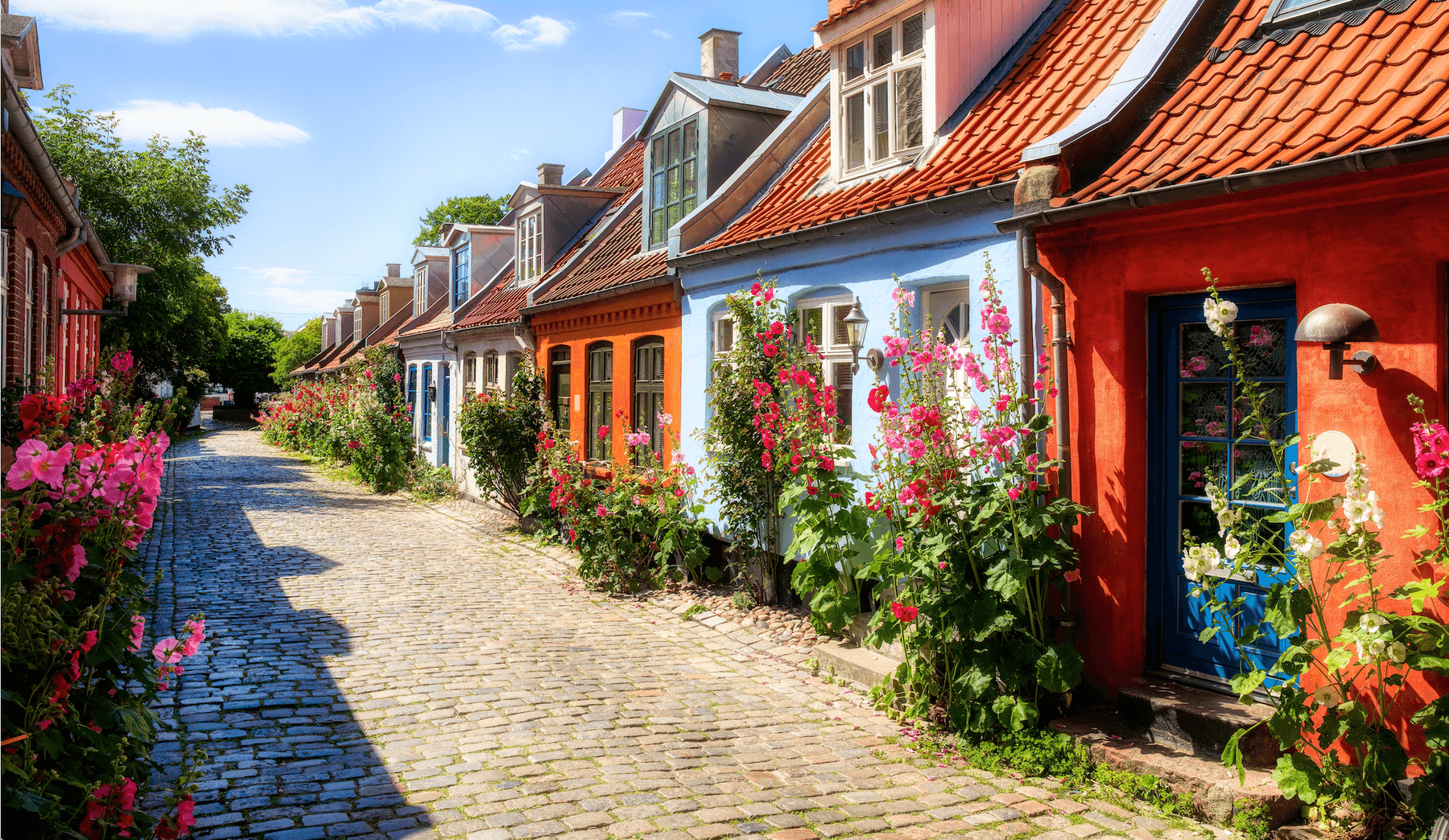
Deposits and prepaid rent: Legally, Danish landlords cannot charge you more than 3 times the rent for prepaid rent and 3 times the rent for a deposit. Typically, landlords will ask for 1-3 months of prepaid rent and almost always 3 months' worth of deposit.
Always insist on CPR registration. If the accommodation doesn’t allow for CPR registration, you may run into issues with many important aspects of life in Denmark, and the place might be illegal or unfit for living.
Remember, common sense and caution go a long way!
Set up your finances
Opening a bank account:
When opening a bank account, take your CPR card with you. If you’ve worked in Denmark before, bring your tax return as well. Sometimes, as a foreigner, it can be tricky to open a bank account. Lunar is a Danish bank that has all the processes online and it's very easy to use.
Debit cards
Try to get a VISA/Dankort or a Dankort/MasterCard, as it’s widely accepted. Avoid a VISA Electron as it’s not as useful in Denmark.
NemKonto
Your Danish bank account should be set up as your NemKonto (Easy Account) so your salary can be paid directly into it.
MobilePay
Once your bank account is set up, be sure to download the MobilePay app on your phone. MobilePay offers a quick and easy way to pay for purchases and send money to others.
Getting around
Public transport:
Register for a Rejsekort, if you are going to use public transport frequently (on a daily basis) – it is simply cheaper.
Cycling
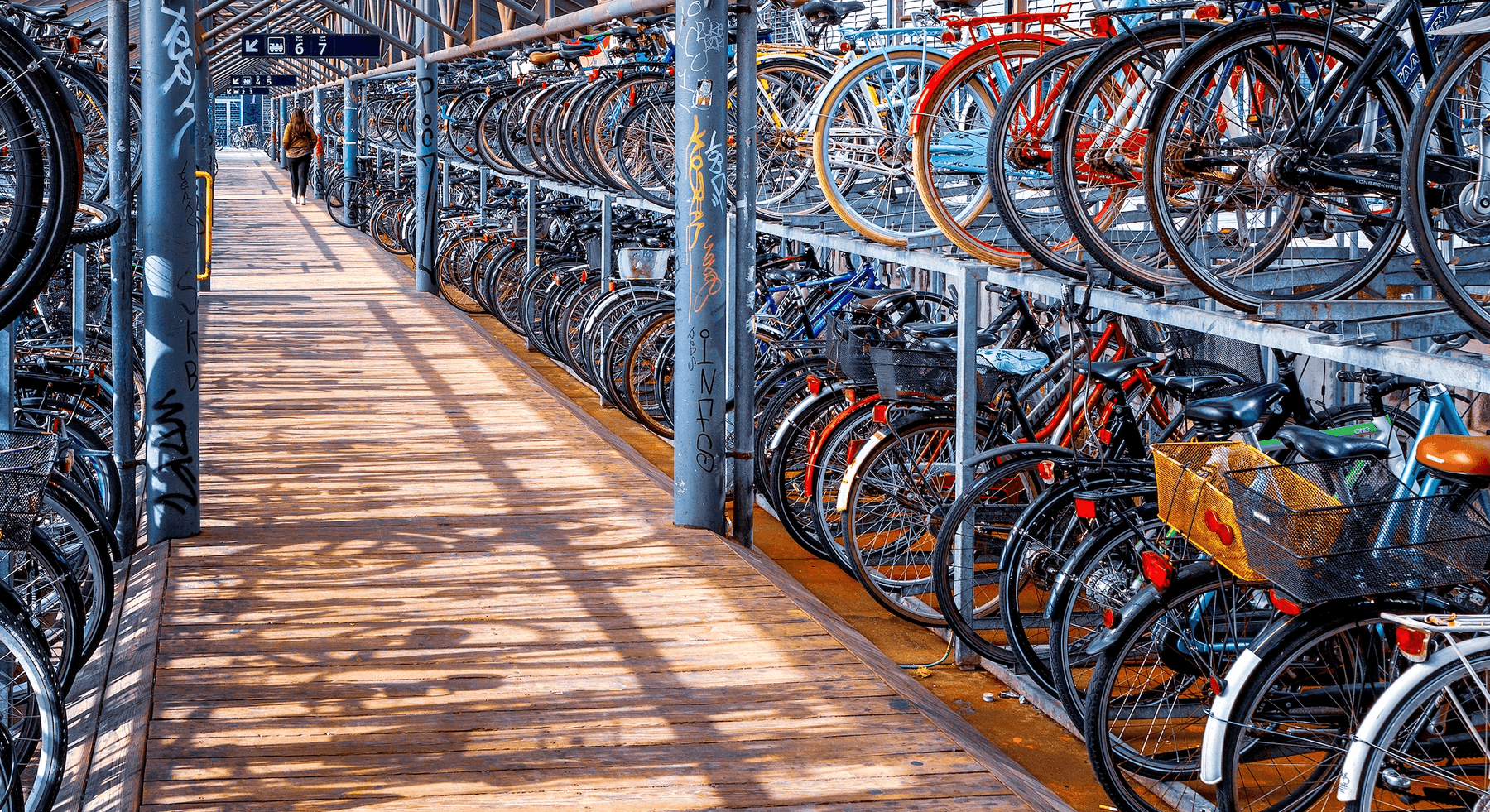
If you like cycling, get a bike. Always lock it to protect it from theft and ensure that you are not purchasing a stolen bike – buying from a reputable shop helps. Also make sure that you have all necessary documentation when buying a bike. You may need this to prove that the bike is actually yours, or need it for insurance purposes if your bike gets stolen.
Denmark is known for their many cyclists, so you may want to familiarize yourself with the Danish cycling rules at here
Renting a bike
If you're not ready to invest in buying your own bike, rental is a good option. In Aarhus, you have options for both short-term and long-term rentals.

Short term bike rental: Donkey Republic
Long term bike rental: Swapfiets
Short term car rental
With GreenMobility you also have the option for short term car rental (by the minute, hour or day). Easy to use and to register - even with a foreign driving license - while exchanging to the Danish one. Read more here
Getting a Danish driving license
If you have permanent residence in Denmark, you can apply for a Danish driving license. Read more here
Useful Danish words and phrases
Danish is not one of the easiest languages to pick up, but don’t let that discourage you from trying!
Before you really get a handle on the language, you might find this guide to Danish words and phrases useful.
Communities, events and news
Facebook Groups are a great resource for connecting with like-minded people in a similar situation.
Below you will find a range of specific groups that can help you get answers, create a network and share experiences.
You can also search Facebook Groups for the city/area you live in, for local expat content.

Emergency contacts & helpful services
Main emergency
In case of emergencies where immediate assistance is needed from police, fire services, or medical responders, dial 112.
For less urgent situations
Use other non-emergency numbers, like 114 for police inquiries or your local doctor for medical advice.
On-call doctor
If you get sick outside your doctor's normal opening hours (8:00-16:00), call 70 11 31 31.
Emergency dentist
Tandlægevagten Aarhus -40 51 51 62
Emergency room
Skadestuen - 70 11 31 31 (always call ahead before visiting).
International citizen service
Citizen Service (Borgerservice) helps you navigate Denmark’s public sector by providing information and directing you to the appropriate authorities.